Can a Heavy School Bag Harm the Spine?
At the start of every school year one of the questions I hear most in clinic is: "My child's bag is very heavy, will it damage the spine?"…
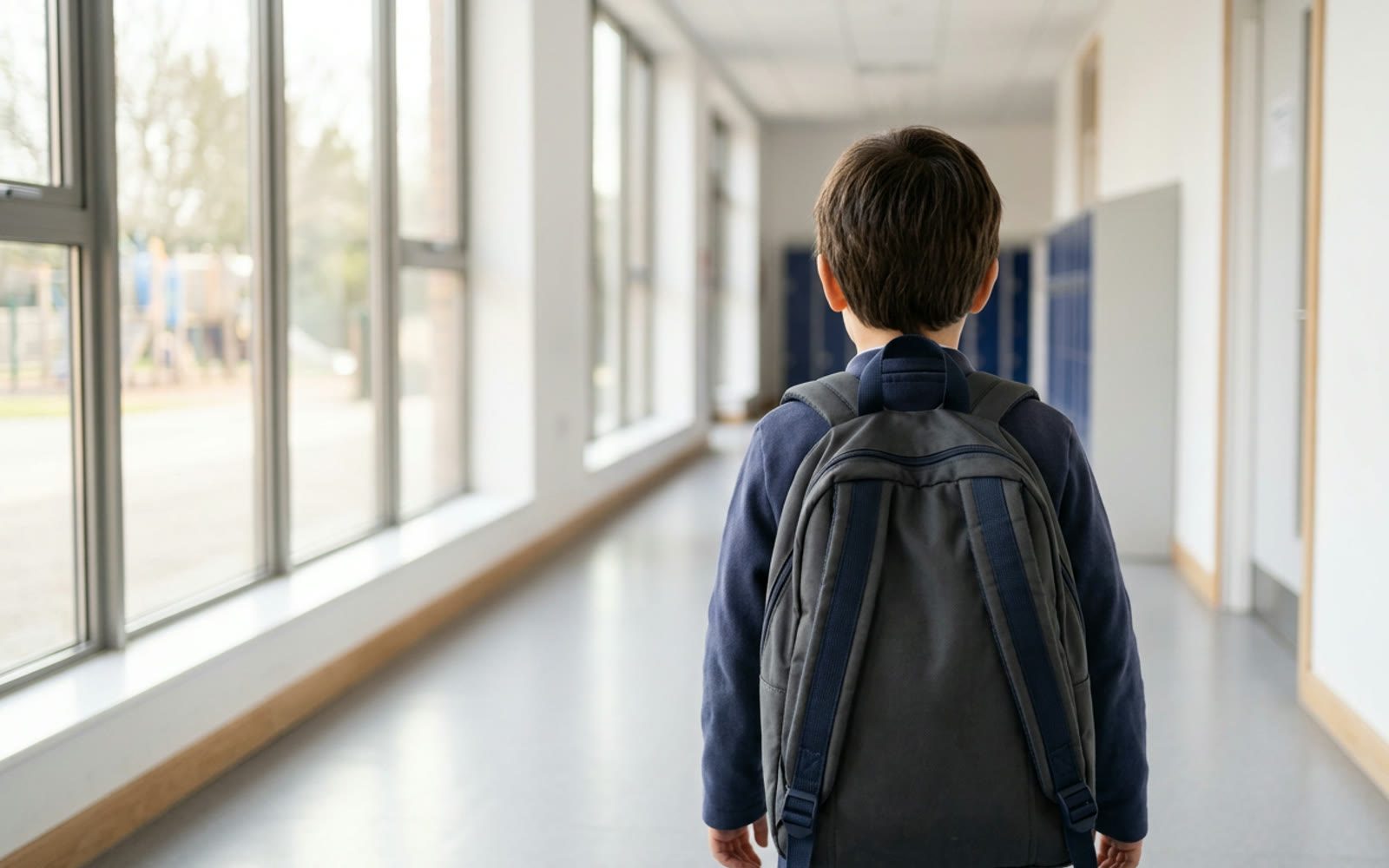
At the start of every school year one of the questions I hear most in clinic is: “My child’s bag is very heavy, will it damage the spine?” Especially for students preparing for exams, textbooks, practice books and course books together can easily push a bag past 5 or 6 kilograms. In this article I explain what a heavy bag really does, how to choose and carry a bag, and when to see a doctor.
I also explain it in a short video, in Turkish: watch on YouTube.
Does a heavy bag cause lasting damage to the spine?
Let me reassure you first: there is no strong evidence that carrying a heavy bag on its own causes a lasting spinal curve such as scoliosis. Scoliosis is usually of unknown cause, related to growth, and is not caused by the way a bag is carried.
That does not mean a heavy bag is harmless. Children who carry too much for their body weight, or carry the bag on one shoulder or too low, often have:
- Back, lower back, neck and shoulder pain
- Muscle fatigue and tightness
- Temporary posture changes such as leaning forward or rounded shoulders
- Shoulder and neck stiffness from carrying on one side for long periods
- Numbness or tingling in the shoulders and arms from straps pressing
These complaints usually settle once simple measures are taken. But recurring pain can affect a child’s schoolwork, sleep and sport.
How heavy should a school bag be?
As a general rule a backpack should weigh no more than about 10 percent of the child’s body weight, and at most 15 percent.
- For a 30 kg child: no more than 3–4.5 kg
- For a 40 kg child: no more than 4–6 kg
- For a 50 kg child: no more than 5–7.5 kg
Weighing the bag on bathroom scales takes two minutes and surprises most families. Remember that even an empty backpack can weigh around 1 kilogram.
Choosing the right bag
- Two wide, padded shoulder straps.
- A padded back panel.
- A hip belt or chest strap moves part of the load from the shoulders to the hips.
- The bag should not be longer than the child’s back: the top at shoulder level, the bottom just above the waist.
- Several compartments make it easier to balance the load.
- Wheeled bags are a good option on heavy days, but can be hard to manage in schools with stairs.
How to carry it
- Always use both straps. One shoulder puts the whole load on one side, and the spine and shoulder muscles strain to balance it.
- Shorten the straps. The bag should sit close to the back, not hang down to the hips.
- Heaviest books closest to the back. Weight close to the body is much easier to carry.
- Bend the knees to lift. Lift the bag with both hands by bending the knees, not the back.
- Take stairs calmly, with a short break between floors if needed.
Practical ways to lighten the bag
- Pack the bag every evening according to the next day’s timetable; leave unused books at home.
- Use a school locker if there is one, and talk to the school if there is not.
- Classmates can take turns bringing shared books.
- Water bottles, pencil cases and extras add up; clear out what is not needed.
- Some practice books can be split into sections; carrying only this week’s section may be enough.
Muscle strength and nutrition matter too
Strong back and core muscles take the load before it reaches the spine. Swimming, cycling, team sports and regular exercise help children carry their bags more comfortably. Students who study at a desk for long hours should get up and move for a few minutes every 45–50 minutes.
Good nutrition, daylight and sleep are important for bone and muscle health during growth. If a blood test shows low values such as vitamin D, the dose and duration of any supplement should be decided by the child’s own doctor. Self-medicating with vitamins is not recommended.
When to see a doctor
Your child should be examined if there is:
- Back pain that has lasted several weeks or is getting worse
- Pain that wakes them at night
- Numbness, tingling or weakness in the arms or legs
- Uneven shoulders or hips, or a visible curve in the back
- Other symptoms with the pain, such as fever or weight loss
The examination looks for the cause of the pain and, if needed, imaging is requested. In most cases a change in bag habits, exercise and short-term supportive treatment are enough.
In short
A heavy school bag does not cause a lasting spinal disease, but it can cause pain and posture problems. Keep the bag under about 10 percent of body weight, carry it on both shoulders and close to the back, and repack it every evening. If pain lasts or wakes your child at night, have them examined.
This article is for general information and does not replace an examination.
Frequently asked questions
Can a heavy bag cause scoliosis?
There is no strong evidence that a heavy bag alone causes scoliosis. It can, however, cause back, neck and shoulder pain and temporary posture changes.
How heavy should a school bag be?
No more than about 10 percent of the child's body weight, and at most 15 percent. For a 40 kg child that means 4–6 kg at most.
Is carrying a bag on one shoulder harmful?
It puts the whole load on one side and strains the shoulder and back muscles. A bag should always be carried on both shoulders, close to the back.
Is a wheeled bag better?
It relieves the back on heavy days, but can be hard to manage in schools with stairs; it depends on the school.
When should I take my child to a doctor for back pain?
If the pain has lasted several weeks, wakes them at night, comes with numbness in the arms or legs, or you notice a curve in the back.
The information on this page is general and does not replace an examination. An examination is needed to decide which treatment suits you.