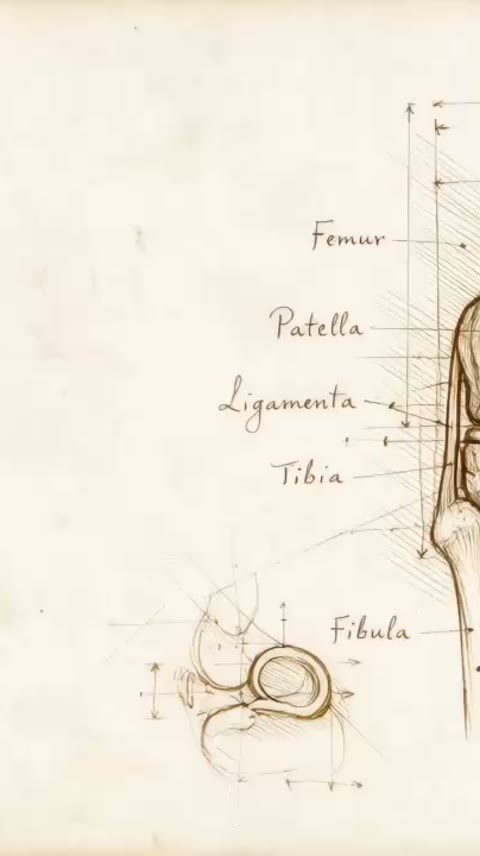

Op. Dr. Ahmet Şadi Kılınç Orthopaedics and Trauma Surgery
Surgical and non-surgical care for knee, hip, shoulder and sports injuries. Bahçeşehir, Istanbul.
400 BC, Kos.
Hippocrates was the first to write down how to bind a fracture and set a dislocated joint.
1465, Amasya.
Şerafeddin Sabuncuoğlu drew, step by step, how a dislocated shoulder is put back.
1895, Würzburg.
X-rays showed the inside of a bone for the first time. Diagnosis moved from guess to image.
The 1960s.
The modern hip replacement reached the operating theatre. A worn joint could now be replaced.
The 1980s.
MRI made cartilage, ligaments and the meniscus visible without surgery.
Today. All of that knowledge, in one examination.
Diagnosis rests on imaging. Treatment rests on evidence, and is planned with you.
And once again, an easy step.
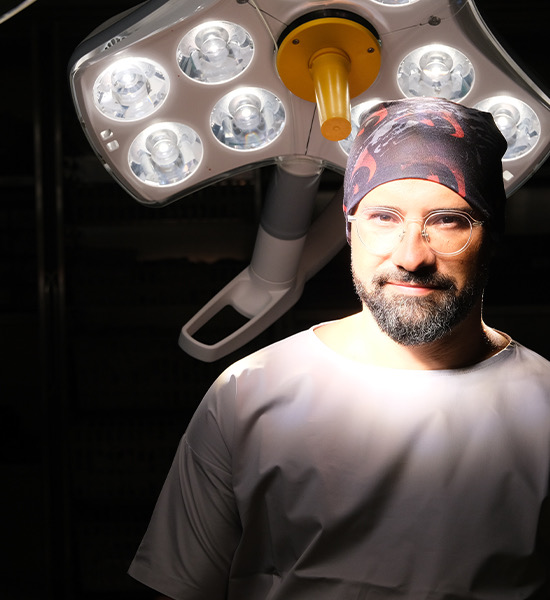
Giving movement back.
Dr Ahmet Şadi Kılınç is an orthopaedic and trauma surgeon. His work covers knee and hip replacement, arthroscopic surgery, sports injuries, shoulder, hand and foot surgery, and fracture care.
Every treatment starts in the same place: a careful examination, the right imaging and a decision made together with the patient. Surgery is not always the first option, and when it is needed, the least invasive method is preferred.
Treatment areas
Choose the part of the body that troubles you. Each area explains the conditions, the treatment options and what recovery looks like.
- Knee and Hip Surgery 8 treatments
- Shoulder and Elbow Surgery 7 treatments
- Sports Injuries and Arthroscopic Surgery 7 treatments
- Foot and Ankle Surgery 6 treatments
- Hand Surgery 9 treatments
- Trauma and Fracture Care 3 treatments
- Orthopaedic Injections and Regenerative Treatments 4 treatments
- Children's Orthopaedics 6 treatments
- Diabetic Foot Care 4 treatments
- Tumour Surgery 2 treatments
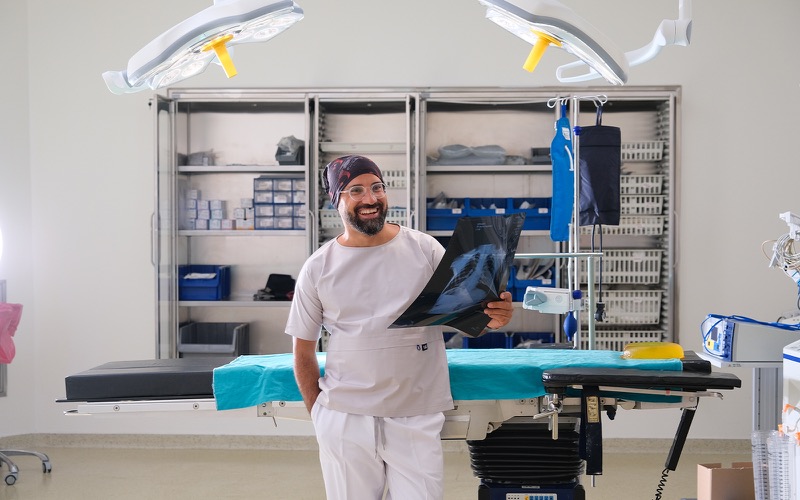
From examination to recovery
-
 1
1
Examination
We listen to the whole story. Where, when and how the pain started is half of the diagnosis.
-
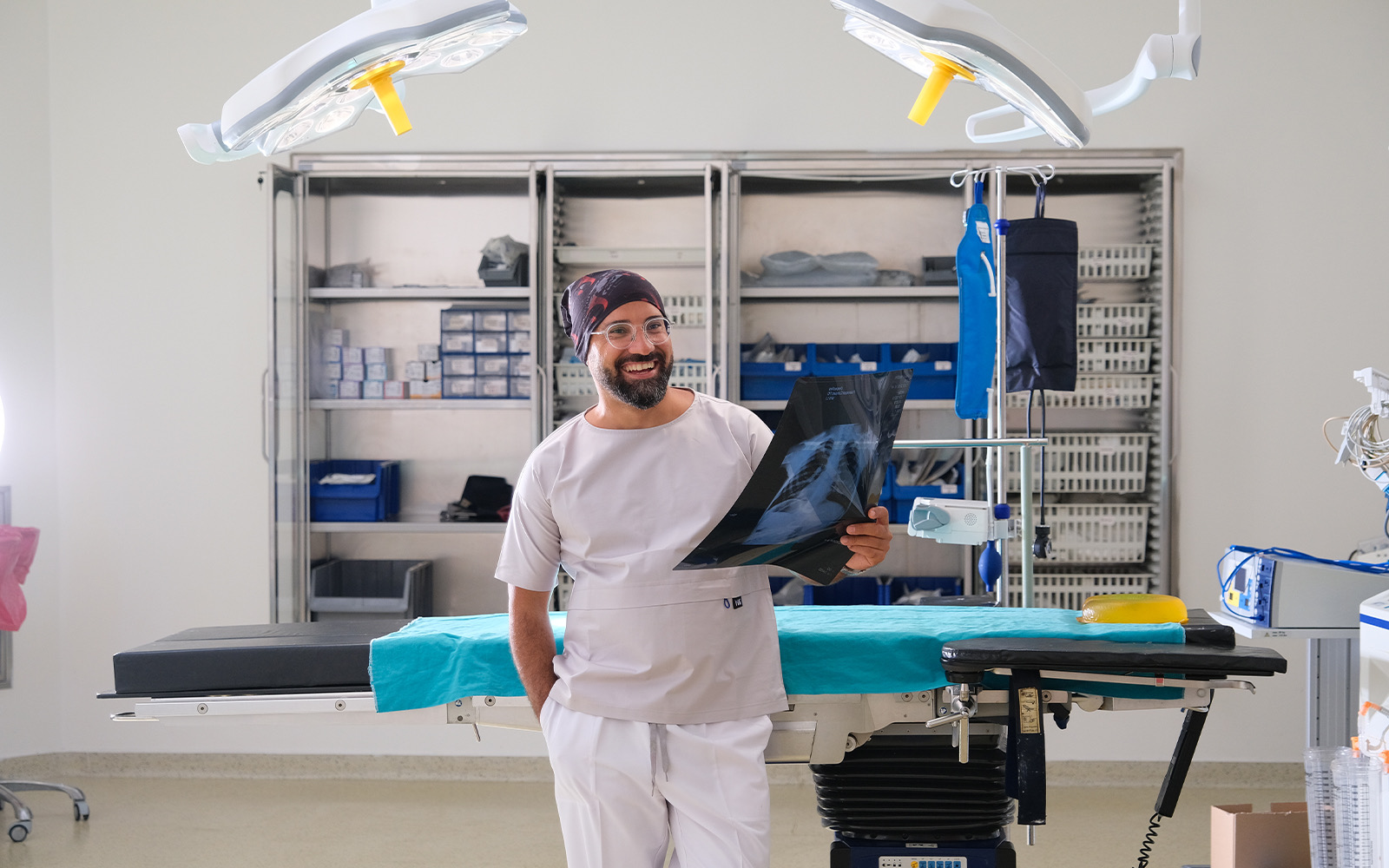 2
2
Diagnosis
X-ray, MRI or ultrasound is requested when needed, and the images are reviewed with you.
-
 3
3
Treatment
Non-surgical options come first. If surgery is needed, the method, the risks and the process are explained clearly.
-
 4
4
Recovery
Follow-up visits and a rehabilitation plan guide your return to daily life and sport, step by step.